Sierra Chemicals

Pressure Vessel Services — Natural Gas Processing

Internal
Inspection Preparation

Before any inspector enters a vessel, the work that matters most has already happened. Thorough cleaning, gas-freeing, positive isolation, and atmospheric verification are what separate a safe, productive inspection from one that is delayed, incomplete, or dangerous.

4-Phase Overview
1
Isolate & Depressurize
LOTO, blinds, blowdown
2
Purge & Gas-Free
N₂/steam purge, LEL/H₂S monitoring
3
Clean & Decontaminate
Hydroblasting, vacuum, chemical wash
4
Verify & Certify Entry-Safe
Confined space permit, continuous monitoring
Core Services

Six Core Inspection Preparation Services

Sierra Chemicals delivers inspection-ready vessels — fully documented, compliant, and ready to return to service.

Isolation & Blinding
Positive mechanical isolation via spectacle blinds, blank flanges, or double-block-and-bleed. Full blind register maintained per API 686 and client LOTO procedures.
Purging & Gas-Freeing
Nitrogen or steam purging to remove hydrocarbon vapors and H₂S below LEL and IDLH thresholds. Continuous atmospheric monitoring throughout the purge cycle.
Hydroblasting & Chemical Clean
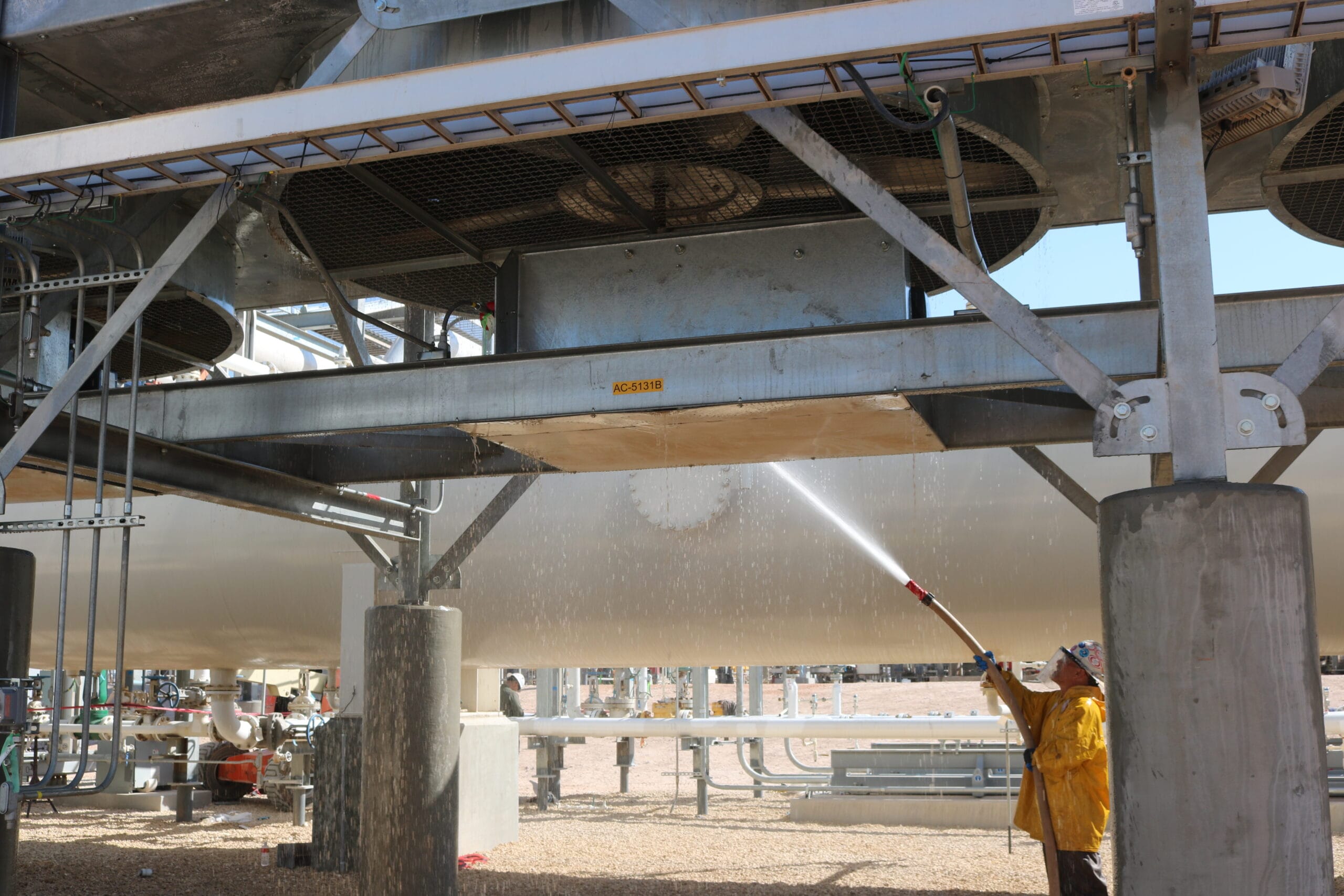
High-pressure water jetting to remove scale, deposits, and hardened residue from vessel walls, heads, internals, and nozzles prior to visual or instrument inspection.
Ventilation & Atmosphere Control
Forced-air ventilation systems established and maintained to hold O₂ at 19.5–23.5% and hydrocarbon concentrations below LEL throughout the inspection window.
Confined Space Permitting
Full permit-required confined space documentation per OSHA 29 CFR 1910.146 — entry permits, attendant assignment, rescue plans, and pre-entry atmospheric testing records.
Documentation & Turnover Package
Complete inspection-ready package: blind register, gas test logs, entry permits, cleaning records, and photographic documentation for inspector and regulatory files.
Vessel Inspection Preparation
What Sierra Delivers

Inspection-Ready Vessels — Fully Documented & Compliant

Sierra Chemicals coordinates directly with your inspection team and plant operations — handling isolation, gas-freeing, cleaning, and confined space permitting so your inspectors walk in to a clean, safe, documented vessel.

Every prep produces a complete turnover package: blind register, atmospheric test logs, cleaning records, and signed operational clearance — defensible documentation for API 510 and regulatory compliance.

Step-by-Step

Our 8-Step Preparation Process

Every inspection preparation follows Sierra's rigorous 8-step process — from pre-job hazard review through final blind reconciliation and restart clearance.

1
Pre-Job Planning & Hazard Review
Process fluid identification, H₂S and BTEX content review, pyrophoric iron assessment, and isolation point mapping. A JSA and vessel-specific work plan are completed before mobilization. PSSR requirements confirmed with plant operations.
JSA / JHAPyrophoric Iron AssessmentPSSR
2
Coordination with Plant Operations — LOTO
Lockout/tagout executed per site-specific energy control procedures. All energy sources isolated: process fluid, steam, electrical, pneumatic. Block valves closed and blinds inserted at all tie-in points. Double-block-and-bleed applied where single isolation is insufficient.
OSHA 29 CFR 1910.147API 686Blind Register
3
Depressurization & Draining
Vessel depressurized to atmospheric pressure via controlled blowdown or venting to flare/vapor recovery. Liquids drained and routed to slop or waste handling. Residual liquid removal confirmed before purge initiation. Drain lines blinded after use.
Vapor RecoverySlop HandlingZero-Energy Verification
4
Purging & Gas-Freeing
Nitrogen or steam purge introduced to displace residual hydrocarbons. Multiple purge cycles with atmospheric monitoring at each stage. Gas-free criteria: O₂ = 19.5–23.5%, LEL <10%, H₂S <1 ppm (or site IDLH), CO and toxics below PELs. Fresh air ventilation then established.
LEL MonitoringH₂S DetectionO₂ MonitoringIDLH Thresholds
Internal Cleaning Operations
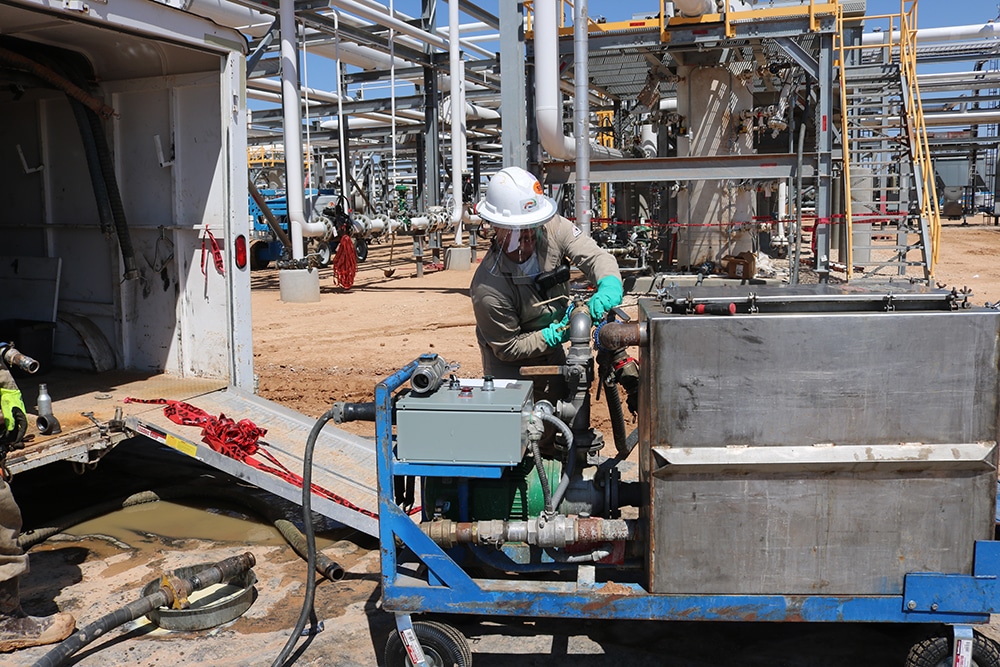
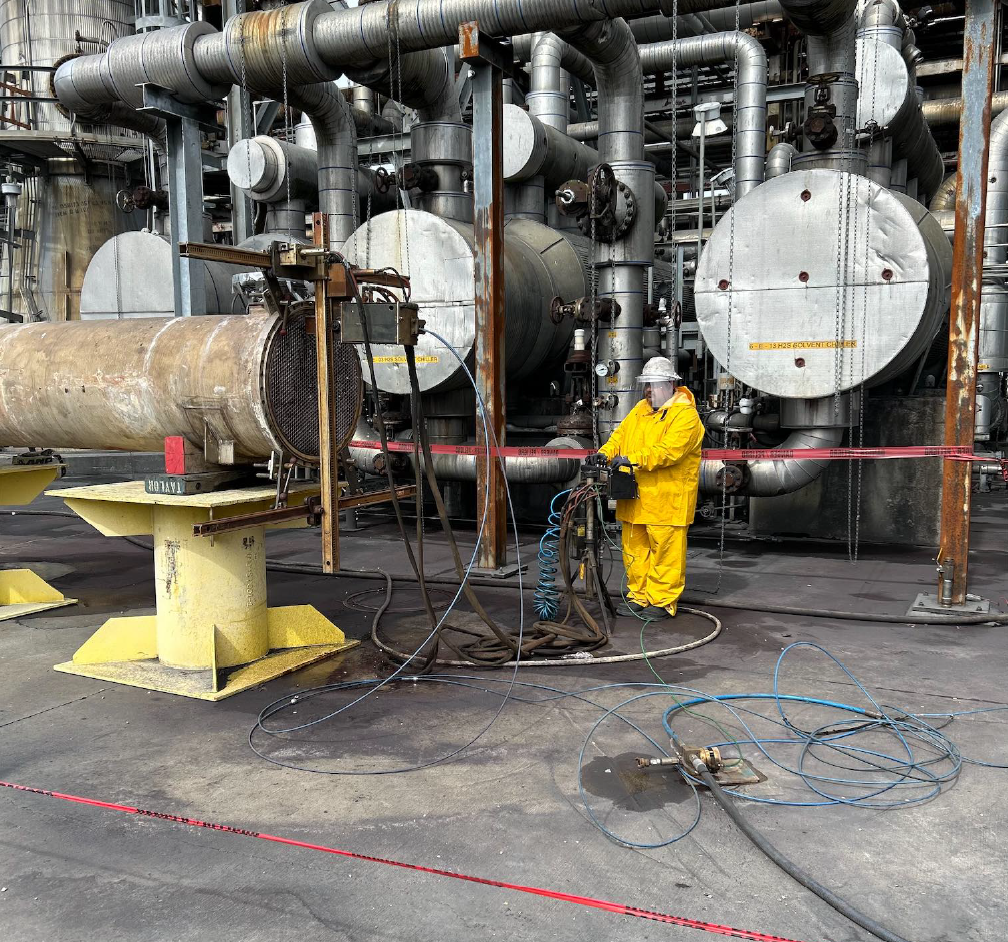
Step 5 — Internal Cleaning in Progress
5
Internal Cleaning
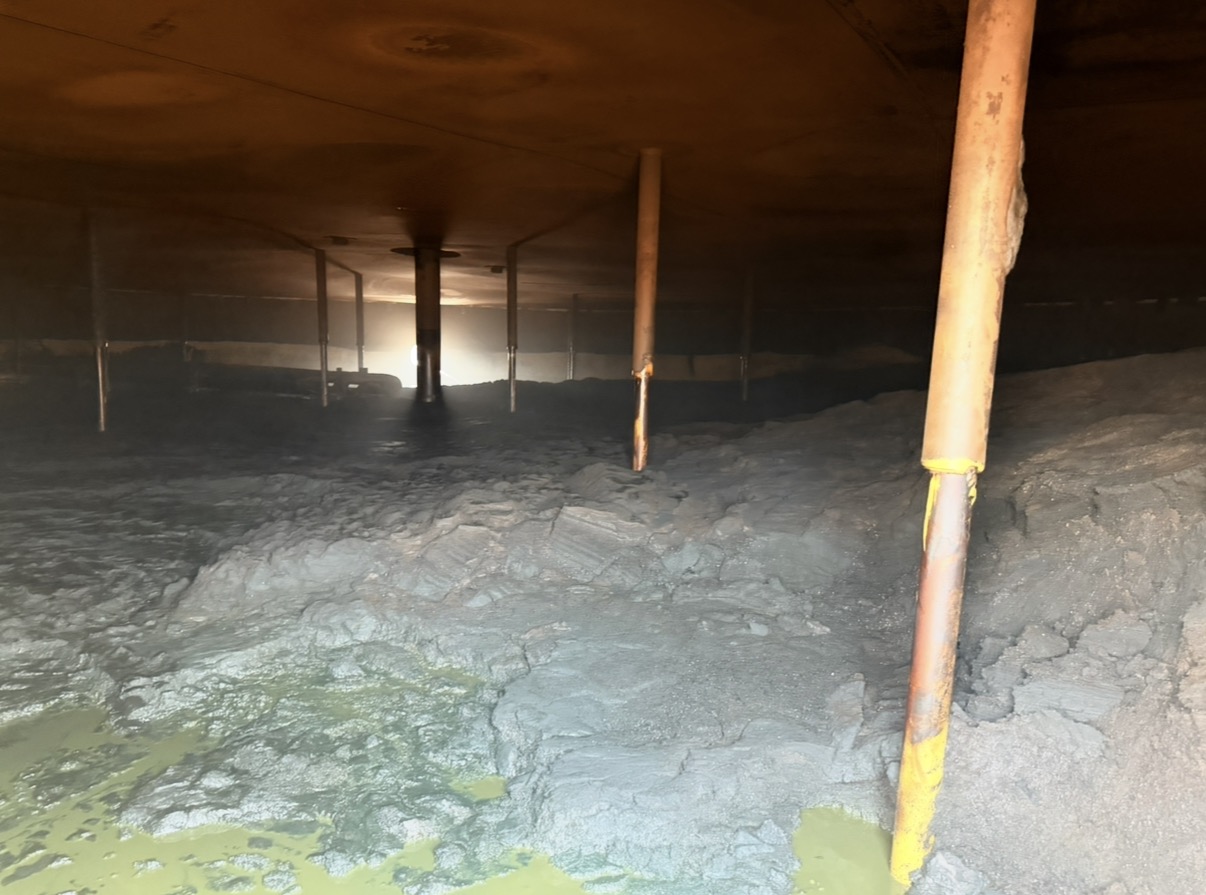
Scale, wax, corrosion byproducts, sludge, and process deposits removed using hydroblasting, vacuum extraction, chemical washing, or combination methods based on process history and inspection scope. Pyrophoric iron deposits wetted continuously during removal to prevent spontaneous ignition.
HydroblastingVacuum ExtractionPyrophoric Iron ControlChemical Wash
6
Final Atmosphere Verification & Confined Space Permitting
Independent atmospheric testing by a qualified gas tester immediately prior to entry. Results logged on permit. Permit-required confined space entry permit issued per OSHA 29 CFR 1910.146 — identifying entrants, attendant, entry supervisor, rescue means, and atmospheric data.
OSHA 29 CFR 1910.146Entry PermitAttendant StandbyRescue Plan
7
Inspector Access & Support
Vessel surfaces clean, dry, and illuminated for accurate UT, RT, ACFM, or visual inspection. Nozzle flanges unblinded and accessible as required. Scaffolding, lighting, and ventilation positioned per inspection crew requirements. Attendant stationed at entry for full duration.
UT / RT ReadinessVisual Inspection AccessLighting & Scaffolding
8
Post-Inspection Documentation & Blind Removal
All inspection findings documented. Blind register reconciled — every blind installed confirmed removed and accounted for before vessel closure. Nozzle blinds replaced with rated gaskets, torqued to specification. Vessel closure signed off by operations and inspection before startup clearance.
Blind ReconciliationTorque RecordsRestart Clearance
⚠️
Pyrophoric Iron — A Hidden Hazard in H₂S Service
Vessels in sour gas or H₂S-containing service accumulate iron sulfide deposits on internal surfaces. These deposits ignite spontaneously when exposed to oxygen during vessel opening. All cleaning operations must keep pyrophoric deposits continuously wetted until fully removed and contained. Dry iron sulfide + air = ignition source. This is a critical life-safety control, not optional procedure.
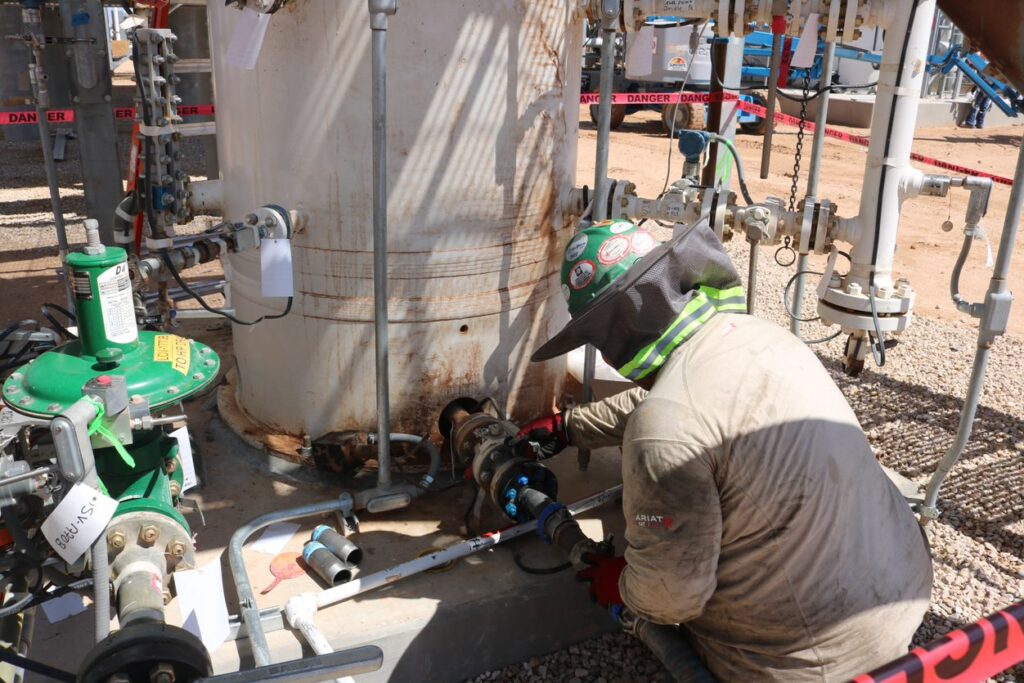
Vessel Cleaning
Vessel Cleaning
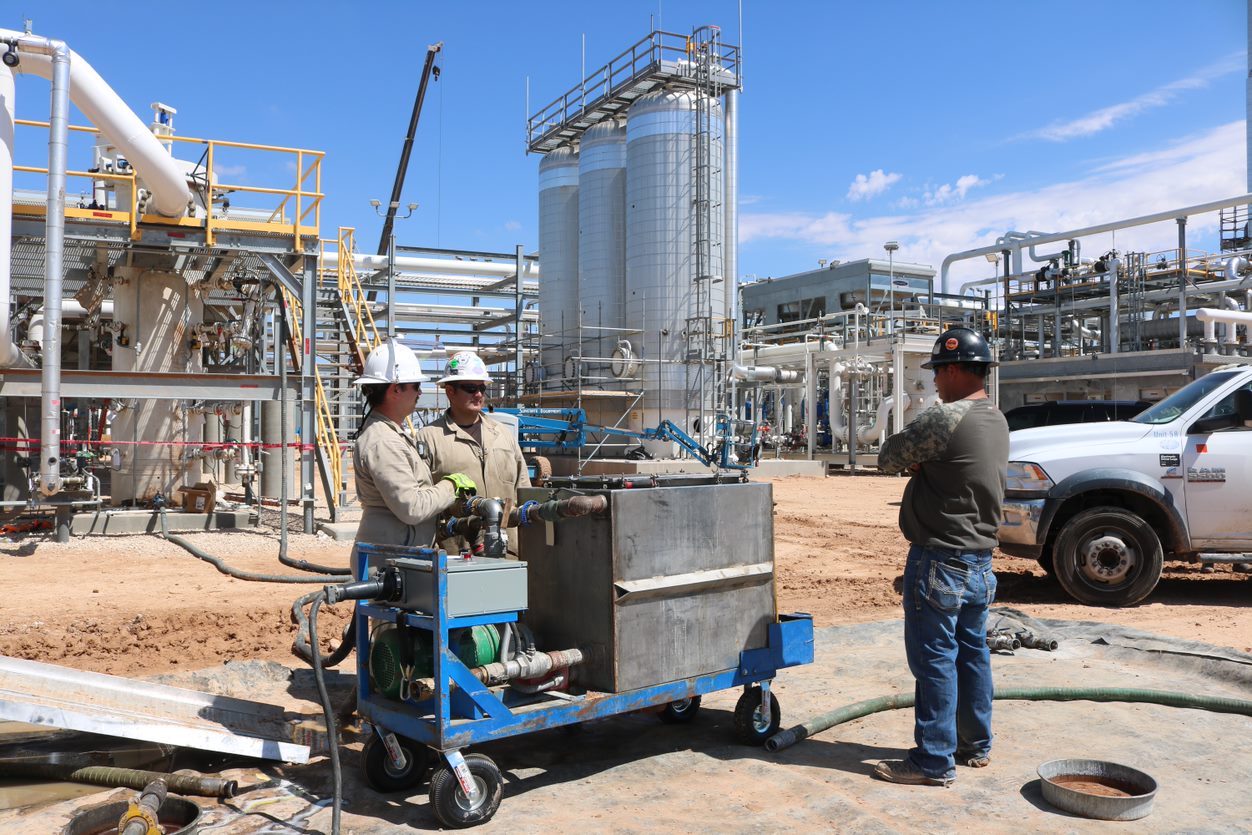
Certified Technicians
Certified Crews
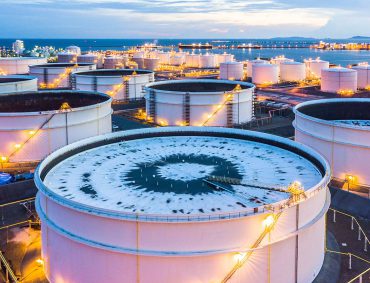
Gas Processing Facility
Midstream Facilities
Regulatory Framework

Standards & Regulations We Work To

Sierra's inspection preparation work is governed by and fully compliant with federal and industry standards applicable to midstream pressure vessel operations.

OSHA
29 CFR 1910.146
Permit-Required Confined Spaces — entry procedures, atmospheric testing, attendant duties, and rescue provisions.
OSHA
29 CFR 1910.147
Control of Hazardous Energy (LOTO) — mandatory energy isolation before personnel access vessel internals.
API
API 510
Pressure Vessel Inspection Code — governs in-service inspection intervals, preparation requirements, and documentation.
API
API 572
Inspection Practices for Pressure Vessels — guidance on inspection methods and vessel preparation requirements.
API
API 686
Machinery Installation & Isolation — best practices for positive isolation through blinding, blind register format and documentation.
ASME
ASME Section VIII
Pressure Vessel Code — design and construction code establishing wall thickness minimums and nozzle ratings.
NFPA
NFPA 326
Confined Space Entry — guidance for entry in tanks and vessels that have contained flammable or combustible liquids.
PHMSA
49 CFR 192 / 195
Pipeline safety regulations driving inspection frequency and documentation for vessels in regulated natural gas and hazardous liquid service.
Safety & Restart Readiness

Controls Maintained & Restart Deliverables

Every Sierra inspection preparation includes these safety controls and produces these restart readiness deliverables — documented, signed, and handed over.

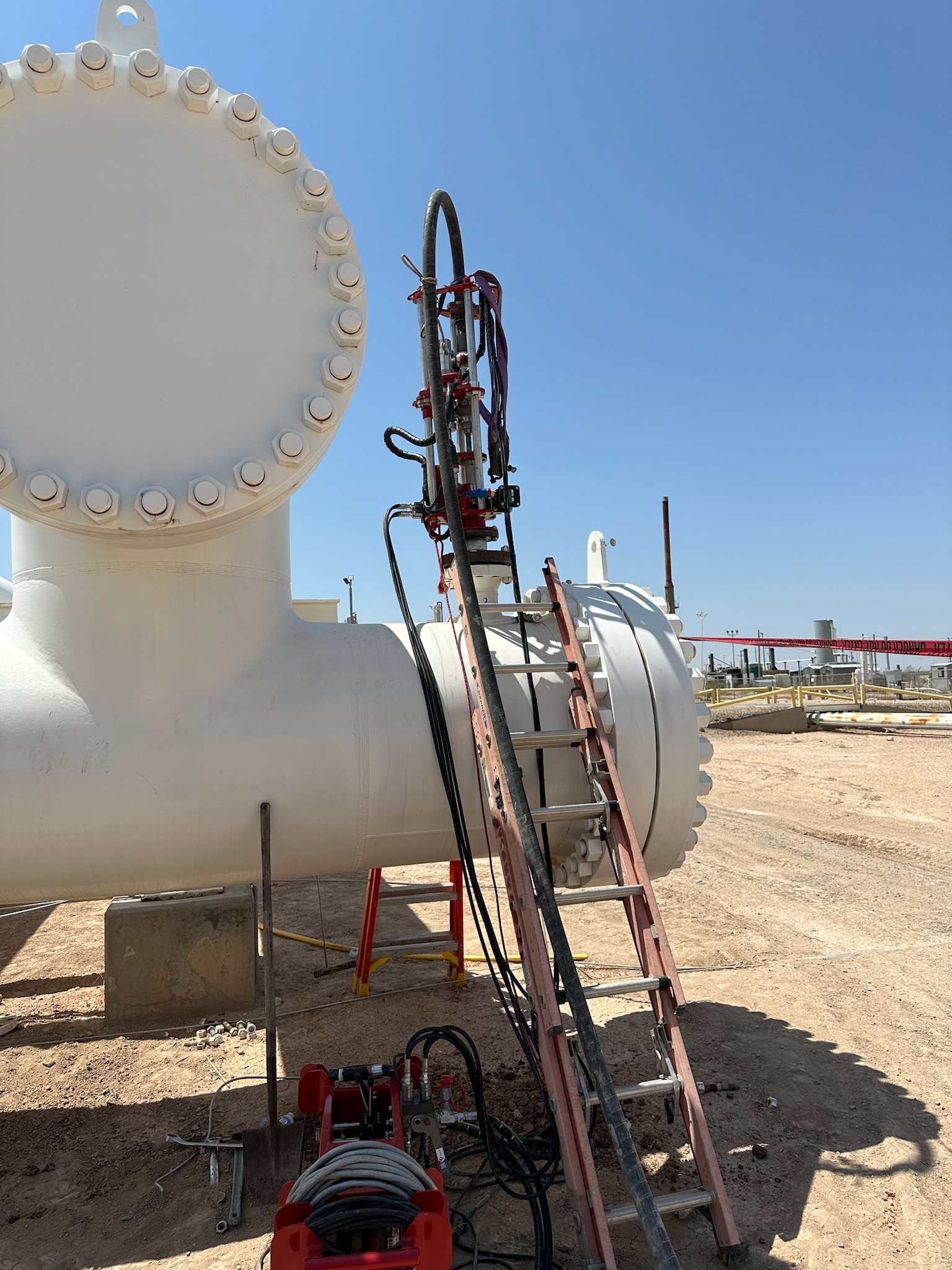
Safety Controls in Action
Safety First
Every Entry. Every Vessel. Every Time.
Safety Controls — Maintained Throughout
  • Continuous atmospheric monitoring — O₂, LEL, H₂S, CO at minimum
  • Attendant stationed at entry point for full duration of inspection
  • Rescue equipment and retrieval system staged and ready at entry
  • Communication maintained between entrant, attendant, and supervisor
  • SCBA available and staged for non-entry rescue capability
  • Pyrophoric iron continuously wetted during all removal operations
  • Hot work permits coordinated and time-separated from confined space entry
Restart Readiness Deliverables
  • Blind register — every blind installed confirmed removed and recorded
  • Gasket replacement records with material specification and torque data
  • Inspection access log signed by inspector and entry supervisor
  • Atmospheric test logs from initial purge through final vessel closure
  • Cleaning records and waste manifest for spent media and scale
  • Photo documentation of pre- and post-clean vessel condition
  • Signed operations clearance before vessel is returned to service
Why Preparation Quality Determines Inspection Quality

A Vessel That Is Not Clean Cannot Be Accurately Inspected

"Corrosion, pitting, cracking, and wall loss hidden under scale or sludge cannot be measured. A vessel that is not clean is a vessel that cannot be accurately inspected — and an inspection that misses damage is no inspection at all. Sierra's preparation work is what makes the inspector's findings valid and defensible."

Ready to Schedule

Ready to Schedule Inspection Preparation?

We coordinate directly with your inspection team and plant operations for zero-gap turnaround execution. Our crews are experienced across the full range of midstream pressure vessels and can mobilize rapidly when you need it most.

Contact Sierra Chemicals

Sierra Chemicals, LC · Est. 1995 · Durango, CO — Midstream Oil & Gas Services. Direct coordination with inspection teams and plant operations.